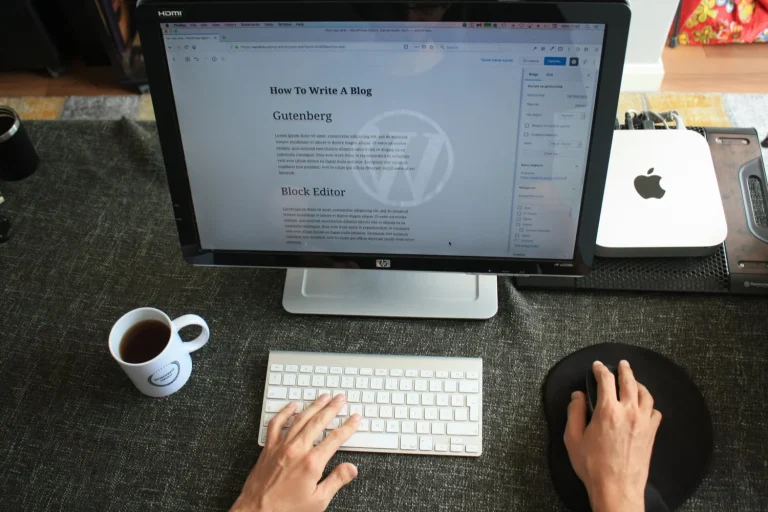

In the realm of web development, a well-structured client brief serves as the cornerstone for a successful project. It acts as a roadmap, guiding designers and developers to understand the client’s vision, objectives, and requirements. The more comprehensive the brief, the smoother the development process, leading to a final product that aligns with the client’s expectations.
🎯 Aligning Vision and Objectives
7 Reason Why Client Brief is Important!
A detailed brief ensures that all stakeholders are on the same page regarding the project’s goals. It provides insights into the client’s business, target audience, and desired outcomes, enabling the development team to tailor the website accordingly. Without this clarity, there’s a risk of misinterpretation, leading to a product that doesn’t meet the client’s needs.
⏱️ Enhancing Efficiency and Reducing Revisions
Time is a valuable resource in any project. A comprehensive brief minimizes the need for constant back-and-forth communication, reducing the likelihood of revisions and scope creep. It allows the development team to work more efficiently, focusing on delivering a product that meets the predefined specifications.
🛠️ Key Components of an Effective Client Brief
To maximize the benefits of a client brief, it should encompass the following elements:
1. Company Overview
Provide background information about your business, including its mission, values, and industry. This context helps the development team understand your brand and tailor the website to reflect your identity.
2. Project Goals
Clearly define what you aim to achieve with the website. Whether it’s increasing sales, improving user engagement, or enhancing brand visibility, specific goals guide the design and functionality decisions.
3. Target Audience
Identify the demographics and behaviors of your intended users. Understanding the audience ensures that the website’s design and content resonate with them, enhancing user experience and engagement.
4. Design Preferences
Share your aesthetic preferences, including color schemes, typography, and examples of websites you admire. This information helps designers create a visual style that aligns with your brand and appeals to your audience.
5. Functional Requirements
List the specific features and functionalities you require, such as e-commerce capabilities, contact forms, or content management systems. Detailed requirements prevent misunderstandings and ensure the website meets your operational needs.
6. Content Strategy
Outline your plans for website content, including who will create it and what type of content will be featured. A clear content strategy supports the website’s goals and enhances its effectiveness.
7. Budget and Timeline
Specify your budget constraints and desired project timeline. This information allows the development team to plan accordingly and set realistic expectations for project delivery.
Read : Website Developer: 5 Smart Reasons Your Business Needs One Today
💡 Additional Tips for Crafting an Effective Brief
To further enhance the quality and effectiveness of your client brief, consider the following tips:
1. Be Clear and Concise
Ensure that the brief is easy to understand by avoiding jargon and overly complex language. A clear and concise brief facilitates better comprehension and execution by the development team.
2. Provide Visual References
Including visual examples, such as mood boards or sample websites, can help convey your design preferences more effectively. Visual references serve as a tangible guide for designers to understand your aesthetic vision.
3. Anticipate Potential Challenges
Address possible obstacles or constraints upfront, such as tight deadlines, limited resources, or technical limitations. Proactively identifying challenges allows the team to develop strategies to mitigate them.
4. Define Success Metrics
Specify how you will measure the success of the website, whether through increased traffic, higher conversion rates, or improved user engagement. Clear metrics provide targets for the development team to aim for.
5. Establish Communication Protocols
Outline how and when you will communicate with the development team, including preferred channels and points of contact. Effective communication ensures that everyone stays informed and aligned throughout the project.
🤝 Building Strong Client-Developer Relationships
A thorough brief not only facilitates a smoother development process but also fosters trust between the client and the development team. It demonstrates the client’s commitment to the project and provides the team with the necessary information to deliver a product that aligns with the client’s vision.
In conclusion, investing time in creating a detailed client brief is crucial for the success of any website project. It lays the groundwork for clear communication, efficient workflow, and a final product that meets or exceeds expectations.